Harris County Office of Sustainability
Harris County Pollution Watch - Knowledge Hub
Check pollutant levels in your location
Air Quality Resources
Harris County has consistently received an "F" grade for ozone levels and ranks among the worst in particle pollution.
| Term | What it Means |
|---|---|
| Ozone | A highly reactive gas that forms a layer around the earth that protects us from some of the sun's harmful rays (UV radiation). The ozone layer is important because humans would develop severe, life-threatening sunburns within minutes of stepping outside without it. But when ozone mixes with other pollutants in the air we breathe, it can trigger coughing, asthma attacks, and chest pains. |
| Particulate Matter (PM) | A mix of teeny tiny specks of dirt, dust, and liquids in the air. Particulate matter can enter your lungs and bloodstream, causing health problems. Houston's high humidity levels put locals at a higher risk of these health problems. NOTE: Particulate matter is defined by its size. For example, PM2.5 are particles that are 2.5 micrometers or smaller. The smaller the particle, the higher the risk. |
| Air Quality Index (AQI) | A measurement tool for outdoor air quality. An AQI score is between 0 and 500. The lower the score, the better the air quality and the lower the health risk. An AQI between 0 and 50 is considered good, and an AQI of 100 is the national standard. Above an AQI of 100, the air quality may start to pose health risks. |
Check the air quality in your location to plan your outdoor activities accordingly and limit your exposure.
Check Air Quality at Your Location
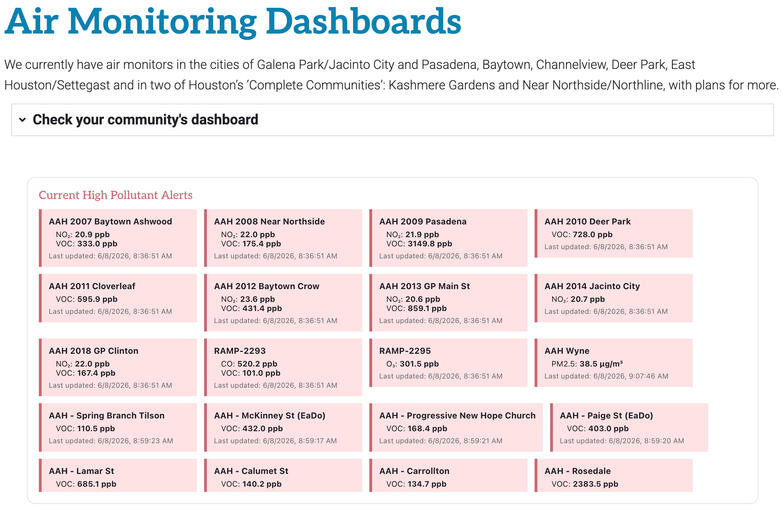
Air Alliance Houston Air Monitoring Dashboard
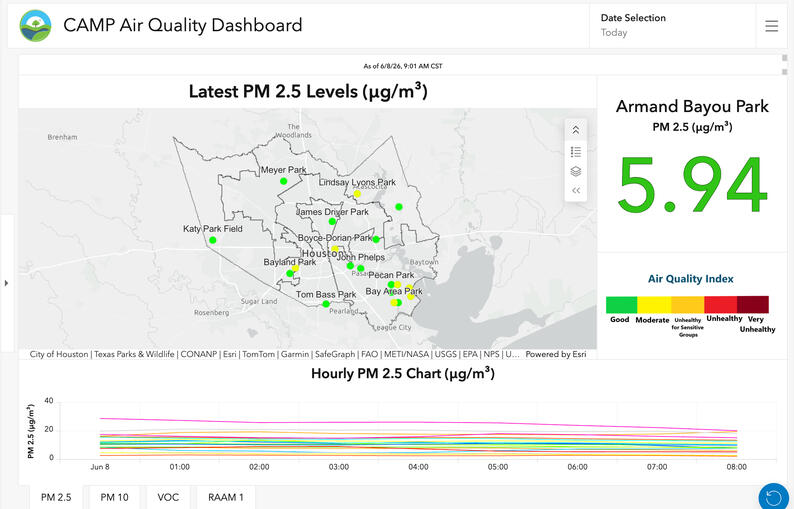
Harris County Pollution Control CAMP Air Quality Dashboard
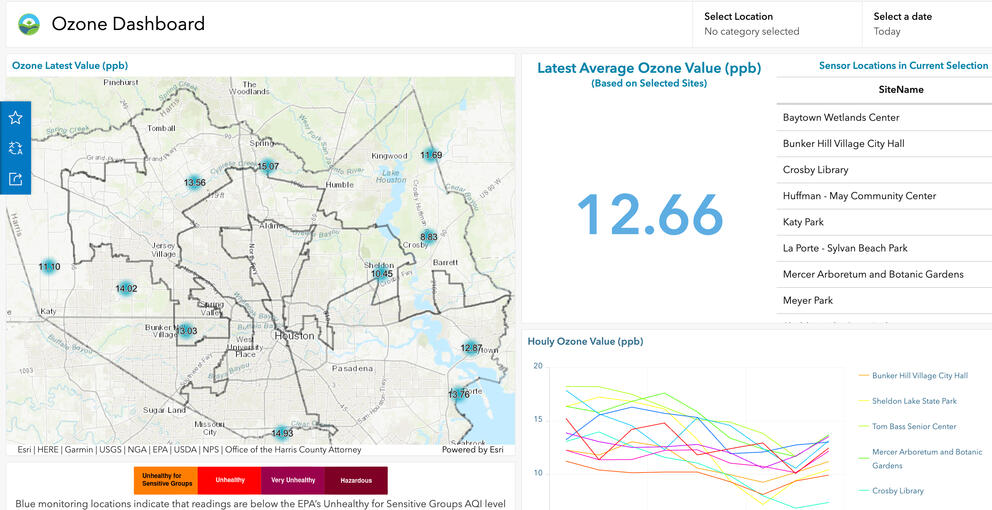
Harris County Pollution Control Ozone Dashboard
Take Action
Water Quality Resources
While Harris County water has generally met EPA water quality standards, it doesn't meet all public health recommendations and has been contaminated in the past from industrial dumping events.
| Term | What it Means |
|---|---|
| MUD | A municipal utility district or MUD is a local authority that provides drinking water to areas outside of city limits. |
Check Water Quality at Your Location
The water quality at your location depends heavily on your water provider. Use the resources below to find your utility district and check your water quality.Step 1: Find your water provider with Water Districts Viewer (if you live outside Houston city limits)Step 2: Check you water quality with Environmental Working Group's (EWG's) Tap Water Database
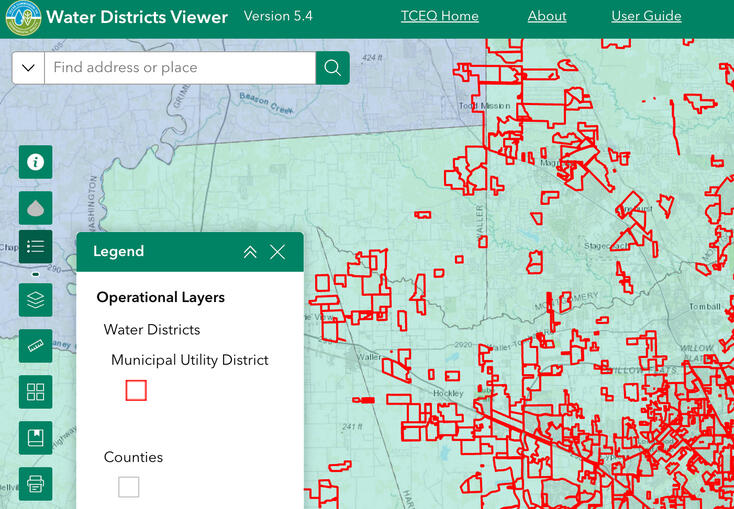
Water Districts Viewer (for areas outside of Houston city limits)
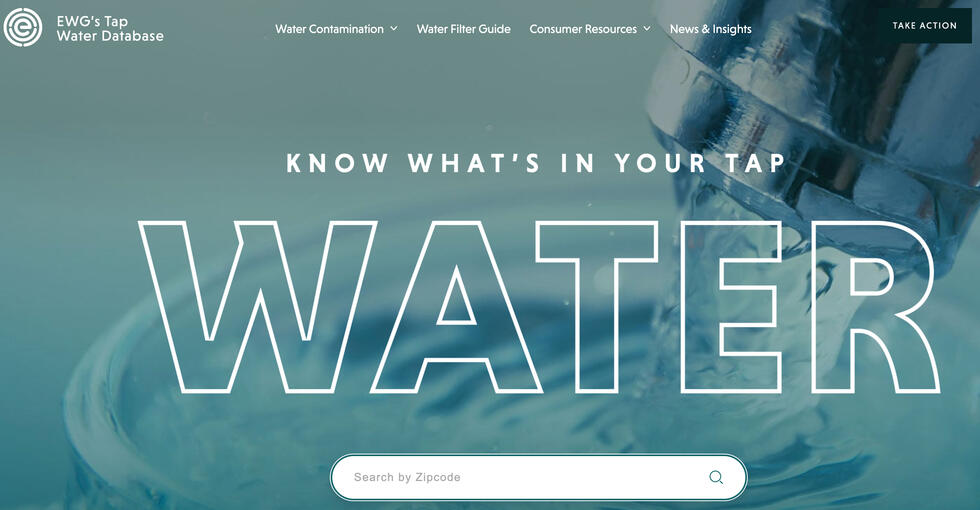
Environmental Working Group's Tap Water Database
Take Action
Superfund Sites and Landfill Maps
Exposure to toxic pollutants can have pose severe health risks, especially to children.
| Term | What it Means |
|---|---|
| Superfund Site | A location that has been contaminated with hazardous waste and identified by EPA as a priority for clean-up. |
| Toxic vs. Hazardous Waste | Hazardous waste refers to any waste that can harm people or the environment and is regulated by the EPA . The term hazardous waste covers four categories of waste - toxic, reactive, ignitable, and corrosive. The toxic waste category includes waste that's harmful when ingested. |
Check Hazardous Waste Exposure
Use the resources to check your risk of toxic waste exposure.
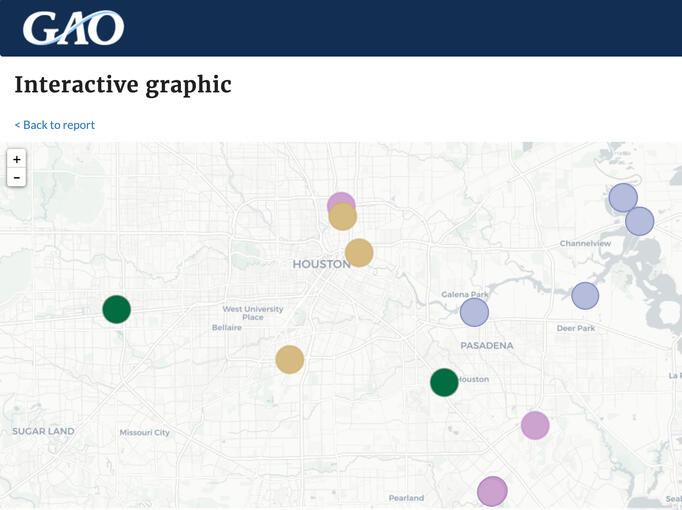
GAO Superfund Sites and Climate Change
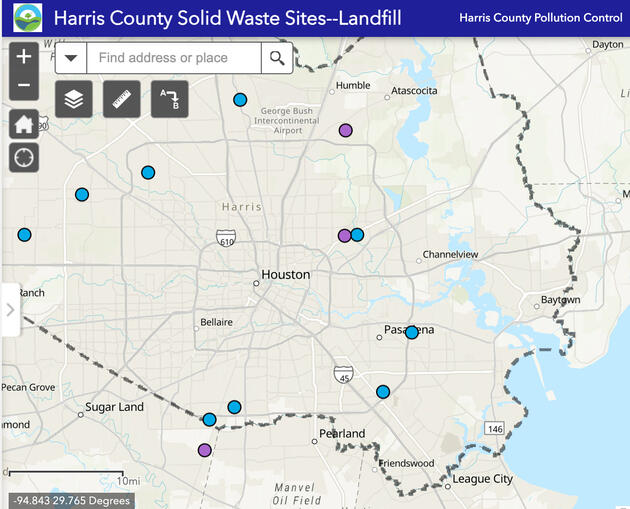
Harris County Solid Waste Sites - Landfill
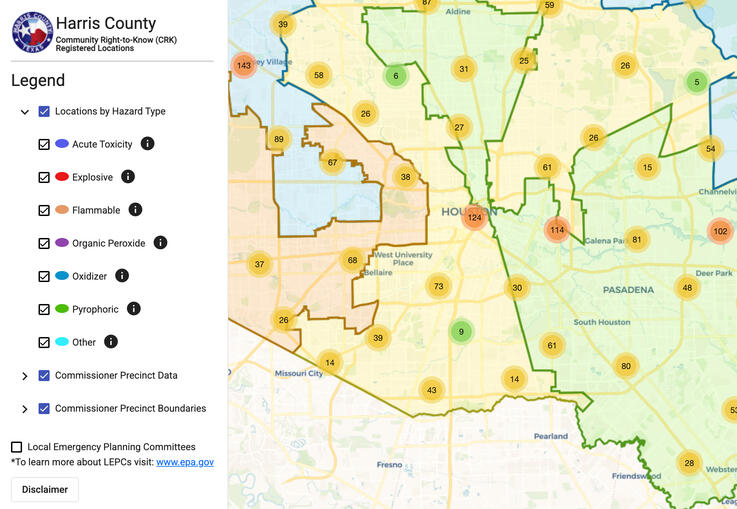
Community Right-to-Know (CRK) Registered Locations
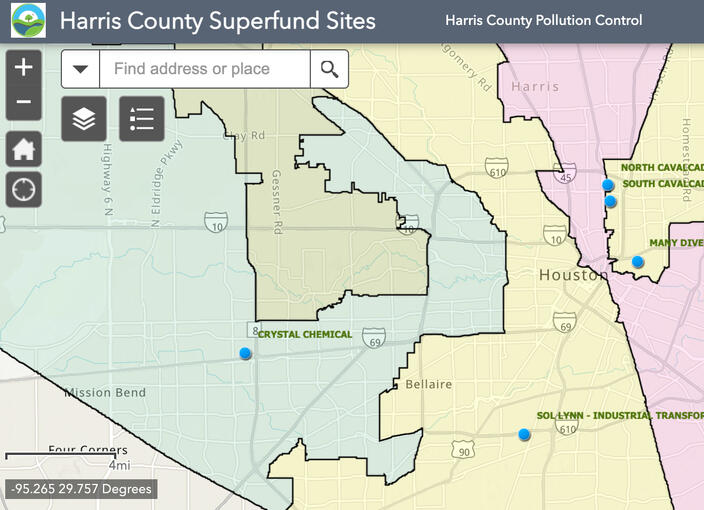
Harris County Superfund Sites
Take Action
If you are experiencing an immediate emergency with a dangerous chemical spill, call 911 immediately.
Additional Resources
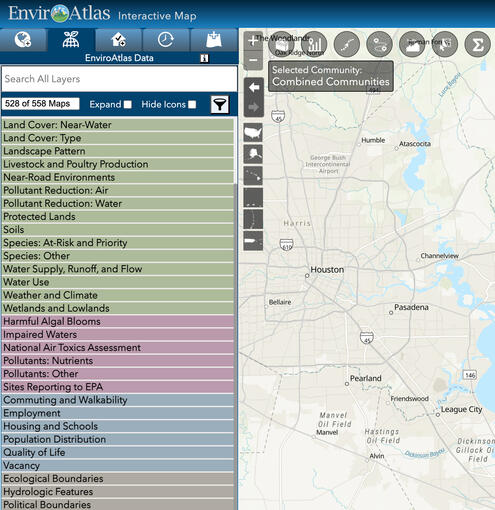
EnviroAtlas
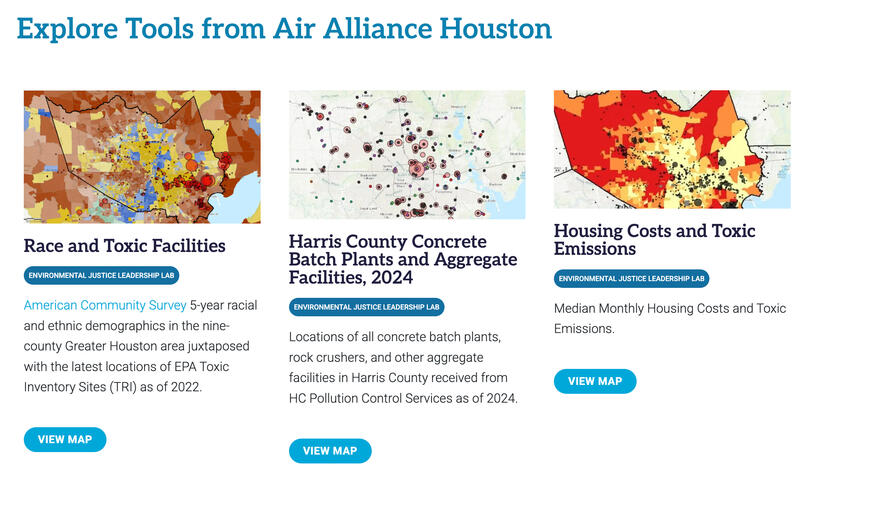
Air Alliance Houston
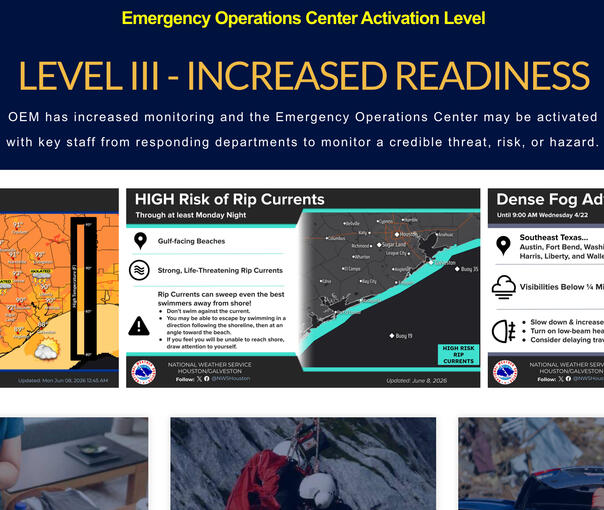
Houston Emergency Management
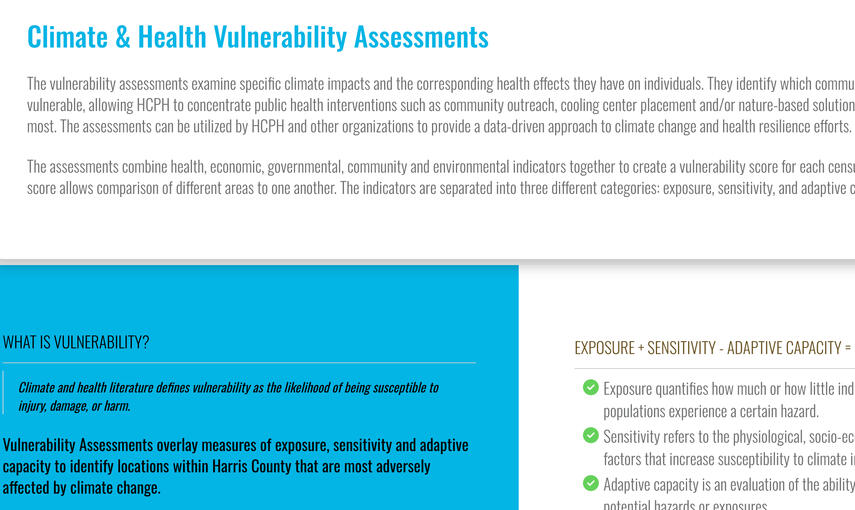
Climate and Health Vulnerability Assessments
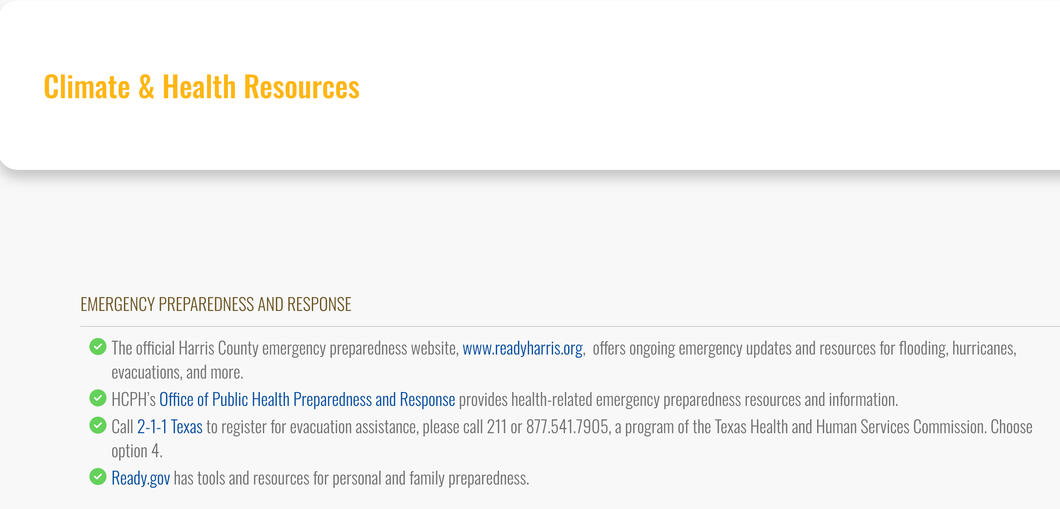
Climate and Health Resources
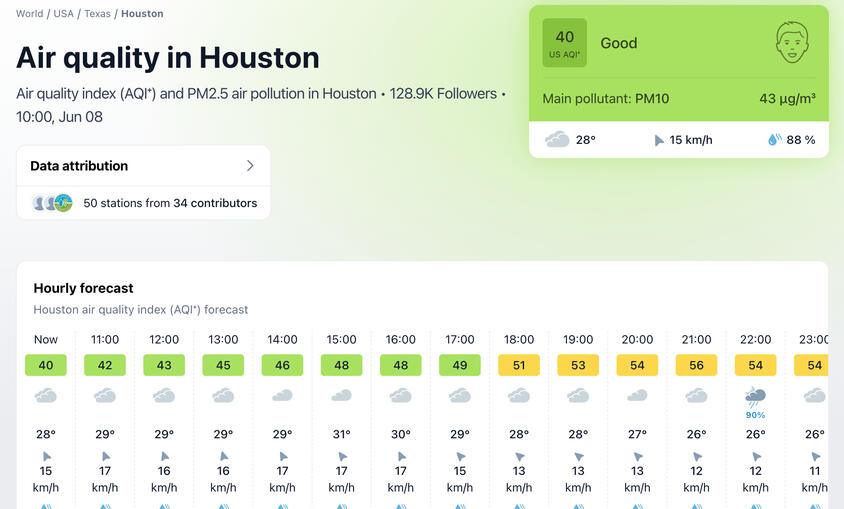
IQAir Daily AQI
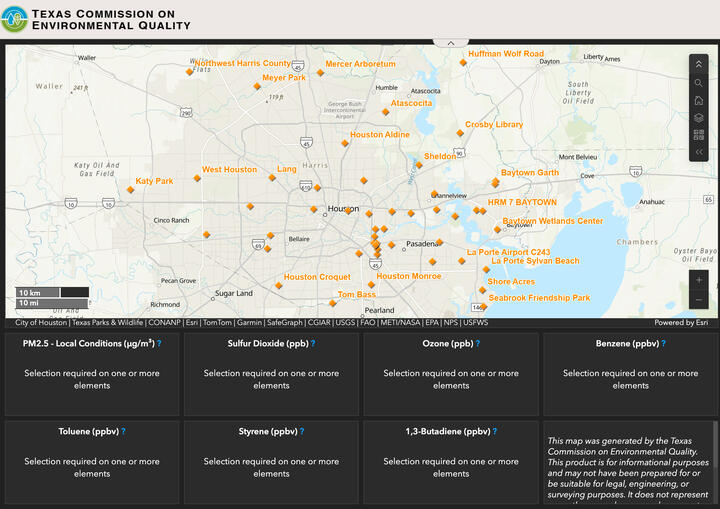
Texas Commission on Environmental Quality Daily Air Pollutant Data
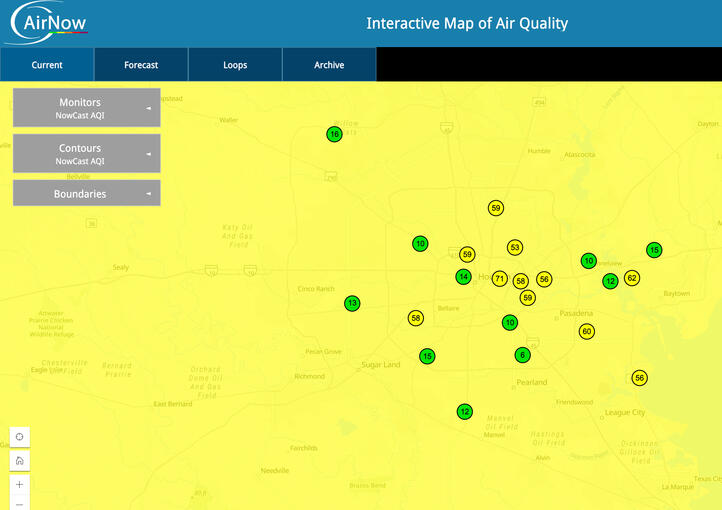
AirNow Interactive Map of Air Quality
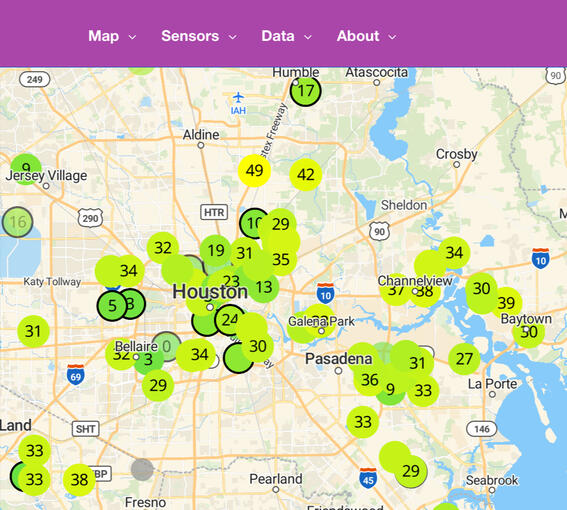
Purple Air Real-Time Map of Particulate Matter
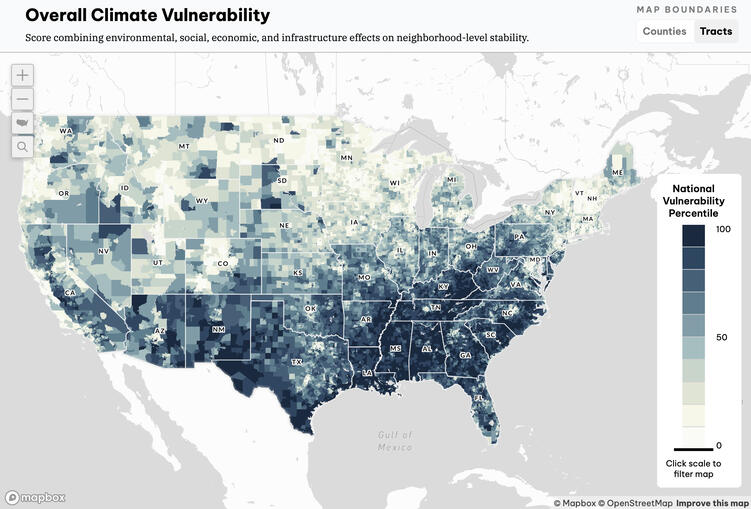
Overall Climate Vulnerability
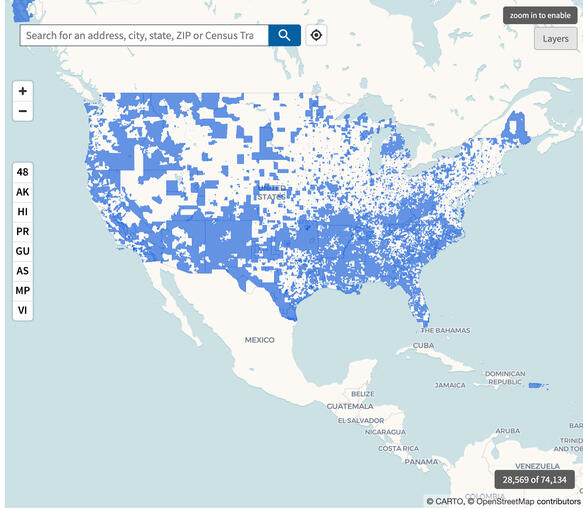
Climate and Economic Justice Screening Tool
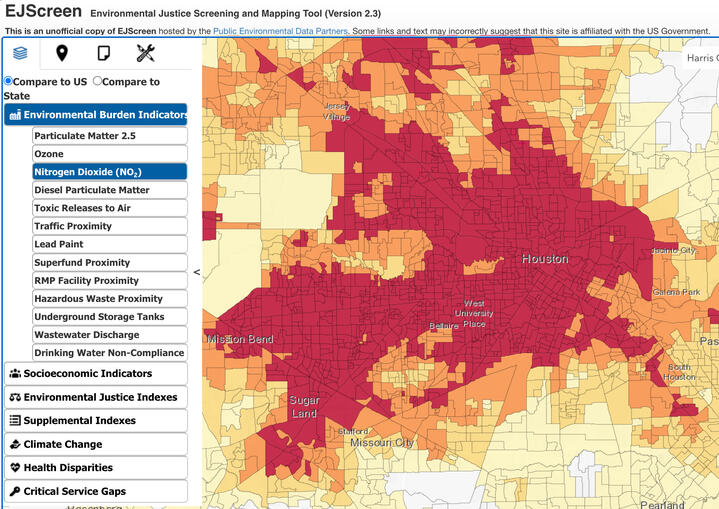
Public Environmental Data Partners EJScreen